Dr Natalie Luscombe-Marsh
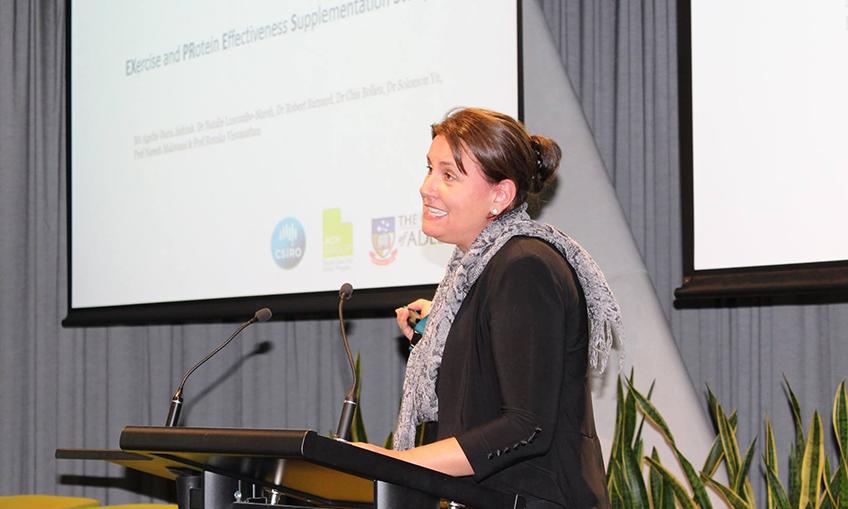
NHMRC New Investigator Research Fellow
The University of Adelaide
Dr Luscombe-Marsh is a Biomedical Research Scientist at the University of Adelaide and is a member of the NHMRC funded Centre of Clinical Research Excellence in Nutritional Physiology, Interventions and Outcomes. Her long standing research interest relates to the mechanisms underlying weight loss induced by high-protein, energy-restricted diets, in healthy and clinical populations, including overweight and obese patients. To date, fundamental insights gained from her research are that protein-induced weight loss is not associated with adjustments in energy expenditure, as is often assumed, but is likely to relate to the suppression of energy of intake.
Her has expertise in a unique range of techniques including indirect calorimetry (to measure energy expenditure and substrate oxidation), accelerometry (physical activity), DEXA (body composition), validated questionnaires (appetite and energy intake), gastrointestinal hormone assays, high-resolution manometry (gut motility) and, ultrasound (gastric emptying). Currently, she is capitalising on this expertise and is leading a Project grant (ID627118) and a PhD project examining the gastrointestinal mechanisms underlying the appetitive-suppressant effect of protein. Present findings indicate that protein, like fat and carbohydrate, stimulate pyloric, and suppresses antral and duodenal, motility, stimulates the release of several gut peptides, reduces energy intake.
She is also interested in defining the detection and signalling pathways for protein - work from her post-doctoral research suggests is that L-glutamate may an important signal regulating protein stores and that ‘sensitivity’ to glutamate may be influenced by nutritional status.
A third area of interest relates to nutrition in the elderly and she is developing a project with Meals On Wheels Inc. South Australia. The aim of the first study within the project is to compare the effects of an ‘energy and protein enriched lunchtime meal’ with a ‘standard lunchtime meal’ with a view to determining whether adverse health outcomes including hospital admissions can be reduced in home-dwelling elderly – this project was recently funded by the Balnaves Foundation and Meals On Wheels Inc. South Australia.
Speaking at
Check back soon to find out where you can see this speaker.